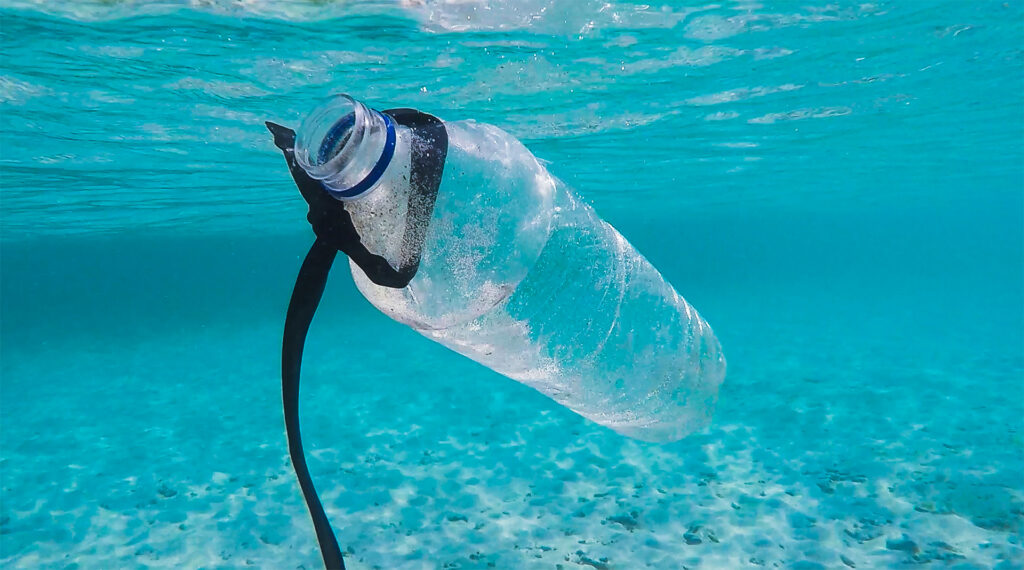
Plastic is everywhere—in our homes, oceans, food, and even our bloodstreams. While it’s a convenient material that changed modern life, its negative impacts are catching up fast. From health risks to irreversible environmental damage, the dangers of plastics are now impossible to ignore.
In this article, we’ll dive into the hidden and visible dangers posed by plastics, covering how they affect human health, wildlife, and ecosystems—and what we can do to reduce the damage.
What Are Plastics and Why Are They Everywhere?
Plastics are synthetic materials made primarily from petroleum-based chemicals. They are lightweight, durable, and cheap to produce. Over the last century, plastic has become essential in packaging, clothing, electronics, medical tools, and even food.
However, their long lifespan—which made plastics appealing—has become one of their biggest dangers.
The Dangers of Plastics to Human Health
Exposure to Toxic Chemicals
Plastics often contain hazardous additives such as:
- BPA (Bisphenol A) – linked to hormonal disruptions
- Phthalates – known to affect reproductive health
- Styrene – a possible human carcinogen
These chemicals can leach from plastic containers into food, beverages, and even skin.
Microplastics in the Human Body
Microplastics are tiny plastic particles found in:
- Bottled water
- Seafood
- Table salt
- Household dust
Recent studies have found microplastics in human blood, lungs, and placentas, raising serious concerns about their long-term health effects.
Endocrine Disruption
Many plastic compounds mimic or interfere with hormone function. This can lead to:
- Early puberty
- Fertility problems
- Metabolic issues
- Increased risk of certain cancers
Environmental Impact: The Planet Is Choking on Plastic
Ocean Pollution
Every year, more than 8 million tons of plastic waste end up in oceans. This pollution:
- Entangles marine animals
- Is mistaken for food by fish and birds
- Degrades into microplastics that enter the food chain
By 2050, scientists estimate that there will be more plastic than fish in the ocean by weight.
Wildlife Harm and Death
Plastic waste kills millions of animals annually. They:
- Get trapped in plastic rings, bags, and fishing nets
- Starve after ingesting plastic that clogs their digestive systems
- Suffer from toxic effects of chemicals absorbed through plastic debris
Soil and Land Contamination
Plastic buried in landfills leaches harmful substances into the soil, affecting crops and groundwater. Additionally, agricultural plastics break down and release pollutants directly into the food supply.
Climate Impact: Plastic Contributes to Global Warming
The production and incineration of plastics emit significant greenhouse gases like CO₂ and methane. From fossil fuel extraction to end-of-life disposal, the plastic lifecycle is a major contributor to climate change.
Quick facts:
- If plastic production continues unchecked, plastics could account for 15% of global carbon emissions by 2050.
- Incineration of plastic waste releases toxic fumes, including dioxins and furans, that affect air quality.
The Economic Cost of Plastic Pollution
Plastic waste isn’t just an environmental issue—it’s expensive. Countries spend billions every year on:
- Cleaning beaches and waterways
- Managing landfill overflow
- Medical costs associated with pollution-related illness
- Losses in fishing, tourism, and agriculture industries
The dangers of plastics affect the economy, especially in coastal and low-income communities.
Common Myths About Plastic Safety
Myth 1: “Recycling Solves the Problem”
Reality: Only about 9% of plastic waste globally is actually recycled. Most ends up in landfills, oceans, or is burned.
Myth 2: “Biodegradable Plastics Are Safe”
Reality: Many so-called biodegradable plastics only break down under industrial conditions and can still release microplastics into the environment.
Myth 3: “Plastic is Harmless When Cold”
Reality: Even at room temperature, certain plastics can leach chemicals, especially when scratched or exposed to sunlight.
7. What You Can Do to Reduce Plastic Risks
Reduce Plastic Use
- Carry reusable bags, bottles, and utensils
- Buy items with minimal or no plastic packaging
- Avoid single-use plastics like straws and cutlery
Choose Safer Alternatives
- Use glass or stainless-steel containers
- Opt for wooden or bamboo household items
- Choose natural fiber clothing over polyester
Advocate for Policy Change
- Support bans on single-use plastics
- Push for Extended Producer Responsibility (EPR) laws
- Vote for climate- and environment-friendly leadership
Educate and Raise Awareness
Talk to others about the dangers of plastics—the more people know, the more we can shift consumer and corporate behavior.
Future Outlook: Can We Escape the Plastic Trap?
Innovators and scientists are working on sustainable alternatives:
- Plant-based plastics
- Fully compostable packaging
- Plastic-eating bacteria and enzymes
But technology alone won’t fix the problem. A global shift in behavior, policy, and production methods is urgently needed to reduce and eventually eliminate plastic pollution.
Final Thoughts: The Dangers of Plastics Are Real—and Growing
From hormone disruption and cancer risks to ocean destruction and climate change, the dangers of plastics touch every aspect of life. While the convenience of plastic is undeniable, the long-term costs far outweigh the short-term benefits.
The good news? Every action you take—no matter how small—can help turn the tide. Say no to unnecessary plastic. Support eco-friendly brands. Spread awareness. And most importantly, push for policies that protect future generations from a plastic-choked world.